
How to Sanitize Your Home Effectively: A Complete Guide

Keeping our homes clean is something most of us do without thinking. We wipe down the kitchen counters, sweep up the dust, and tidy away the daily clutter. However, as anyone living in Dubai or the wider UAE knows, our homes face a unique set of environmental challenges. From the fine desert dust that slips through the smallest gaps to the seasonal colds and flus that circulate in winter, simply tidying up isn’t always enough to keep our living spaces genuinely healthy.
There is a distinct difference between making a house look clean and making it hygienically safe. Understanding how to properly clean and sanitize your space is one of the most effective ways to protect your family from invisible germs, allergens, and viruses.
Cleaning vs. Sanitizing: What’s the Difference?
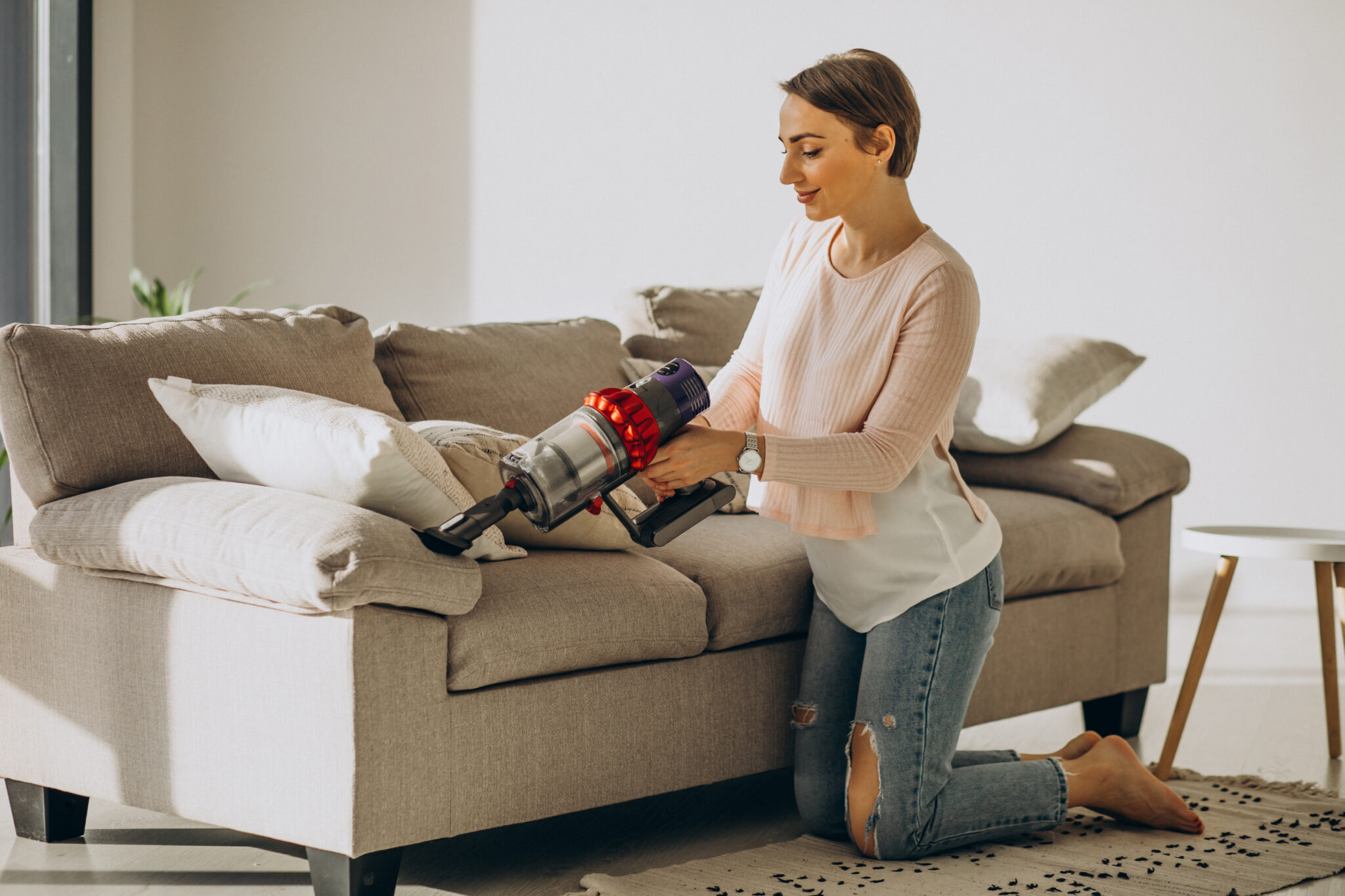
To build a healthier home environment, it helps to look at the foundational principles of effective cleaning and disinfection. Many people use these terms interchangeably, but they actually represent entirely different steps in the home hygiene process.
When you dust, vacuum, or wipe down a surface with soapy water, you are cleaning. This step is vital because it physically lifts away loose dirt, grease, organic matter, and a significant portion of surface germs. However, cleaning alone doesn’t necessarily kill bacteria or viruses; it simply lowers their numbers by moving them away.
Sanitizing and disinfecting, on the other hand, involve using specific solutions to target and destroy the microscopic pathogens remaining on a surface. Sanitizing lowers the number of germs to a safe, public-health standard, while disinfecting uses stronger applications to completely deactivate them. If you try to sanitize a surface that is still covered in visible dust or grime, the physical dirt acts as a shield, preventing the solution from working effectively. True home hygiene always requires a two-step approach: first clean the surface, then sanitize it.
Step-by-Step Guide on How to Sanitize Your Home
Knowing how to sanitize your home efficiently saves time and ensures you aren’t spreading germs from one room to another. Working systematically through your living space ensures no areas are overlooked.
Step 1: Gather the Right Tools and Solutions

Before starting, choose products that are tough on germs but gentle on your household. While traditional bleach-based cleaners work, they often release strong fumes that irritate the eyes and lungs, especially in enclosed, air-conditioned spaces. Today, you can access advanced, non-toxic alternatives that sanitize beautifully without leaving harmful chemical residues behind.
Step 2: Focus on High-Touch Surfaces
You don’t need to deep-clean every square inch of your walls every day, but you should regularly target the surfaces your family touches dozens of times a day. These include:
Front door handles and internal room doorknobs
Light switches, AC thermostat panels, and fan controllers
Kitchen appliance handles (fridge, microwave, oven)
Bathroom taps, flush buttons, and toilet seats
Handheld electronics, television remotes, and keyboards
Wipe these areas down with a reliable sanitizer and let the solution air-dry for the recommended time to ensure it completely neutralizes any lingering pathogens.
Step 3: Address Soft Furnishings and Heavy Traffic Zones
Hard surfaces are straightforward to wipe down, but soft fabrics require a different approach. Curtains, carpets, and sofa upholstery can hold onto dust mites and viral particles for surprisingly long periods. Regular vacuuming with a machine fitted with a high-efficiency filter is a great start, but seasonal deep care is highly beneficial to keep these fabrics truly fresh.
How to Sanitize Your Home After Flu and Seasonal Illnesses
When a member of the household catches a cold, the flu, or a stomach bug, the risk of the illness spreading to everyone else rises significantly. Knowing how to sanitize your home after flu season or a sudden illness is your primary line of defence to break the cycle of infection.
Viral particles can linger on hard surfaces for hours, and sometimes even days. The moment the unwell family member begins to recover, it is time to perform a targeted disinfection sweep. Start by stripping all bedding, pillowcases, and towels used by the sick individual, washing them on the highest safe temperature setting.

Next, focus heavily on the bathroom they used. Taps, flush handles, and countertops should be thoroughly treated. Don’t forget to sanitize smaller items that are easily overlooked, such as toothbrush holders, soap dispensers, and bedside tables. Finally, ensure the communal living areas are well-ventilated to help clear out stale air.
Tailoring Home Hygiene to the UAE Environment
Living in the UAE introduces specific factors that influence how germs and dust behave inside our properties. Our unique climate means we have to adjust our cleaning routines accordingly.
The Impact of Constant Air Conditioning
Because we keep our windows closed for the majority of the year to keep out the heat, the air inside our homes continuously recirculates through our AC systems. If dust, pollen, or viruses are present in the rooms, they remain trapped indoors. This makes regular surface sanitization even more important, as there is very little natural air exchange to disperse airborne particles.
Managing Fine Desert Dust
No matter how well-sealed your property is, ultra-fine desert sand always manages to find its way indoors. This dust doesn’t just settle on floors; it lands on high shelves, light fixtures, and soft furnishings. Dust acts as a transport mechanism for bacteria and dust mites. Keeping the dust load low through regular cleaning directly reduces the germ load in your home.
Extending Sanitation Beyond the Living Room
While keeping the main rooms of your house clean is the priority, a truly healthy lifestyle means looking at the other spaces where we spend a significant portion of our time.

Care for Your Fabric and Upholstery
Our sofas, armchairs, and mattresses are highly prone to collecting hidden allergens, especially during the peak of winter illnesses. Learning the best ways onhow to sanitize and disinfect your furniture this flu season will ensure your comfort zones remain clean, safe, and entirely free from embedded germs.
Don’t Forget the Workplace
For many of us, a large part of our week is spent away from home in a commercial building or corporate setting. Germs travel easily between our homes and our workplaces on our clothes, bags, and hands. Ensuring your professional environment receives the same level of care as your home is crucial for seasonal health. Anoffice disinfectionhelps bridge the gap between home safety and workplace wellness.
Why Invest in Professional Sanitization Solutions

In the past, achieving a deeply sanitized home meant enduring the overpowering smell of harsh chemicals. Fortunately, modern home care has evolved. Homeowners no longer have to choose between absolute cleanliness and family safety.
By opting for professional, green sanitizing methods, you can eliminate up to 99.99% of household bacteria and viruses using entirely natural, biodegradable agents. These eco-friendly solutions are completely free from volatile organic compounds (VOCs) and harsh toxins, making them ideal for families with young children, pets, or individuals dealing with respiratory conditions like asthma.
Investing in professional care gives your property a comprehensive reset. For a truly deep, clinical-grade cleanse that remains completely safe for your household, exploring specialised home sanitization solutions is an excellent way to protect your home environment responsibly.
Creating a Lasting Sanctuary of Health
Achieving a truly healthy home is an ongoing process that goes far beyond surface-level tidying. By understanding the core principles of effective cleaning, focusing your daily attention on high-touch surfaces, and knowing exactly how to handle sanitization during peak illness seasons, you can transform your living space into a genuine sanctuary for your family.
Living in the UAE’s unique climate means adapting to unique environmental factors, but with a consistent routine and a reliance on modern, eco-friendly sanitization methods, maintaining a pristine home has never been safer or more achievable. Taking these proactive steps protects your household’s well-being today, ensuring a cleaner, fresher, and healthier tomorrow.
Frequently Asked Questions
How often should I sanitize my home?
Is it safe to use standard household disinfectants on all types of furniture?
How long do cold and flu viruses live on household surfaces?
What is the most common mistake people make when sanitizing their homes?
Can eco-friendly sanitizing solutions really match the strength of traditional chemical cleaners?